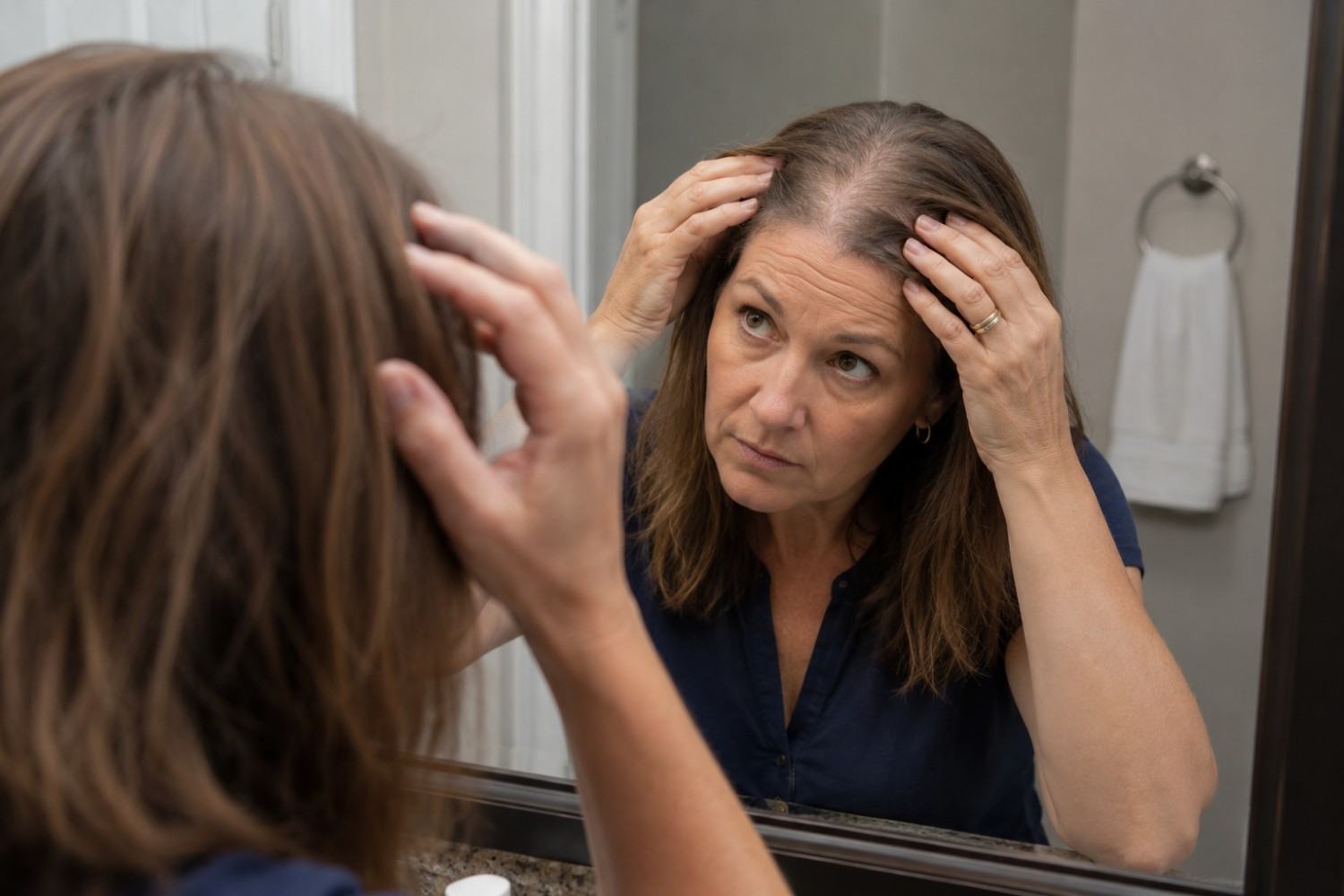
A permanent solution for thinning hair can help address the effects of female pattern hair loss, a typically permanent and progressive condition that cannot be fully “cured”, while specialized medical and cosmetic treatments can restore the appearance of fullness or regrow hair.
Hair Transplant Boca provides specialized hair restoration options designed to address thinning hair in women. Treatment choices include FUE hair restoration, PRP hair therapy, and other non-surgical approaches based on individual hair loss patterns, follicle health, and restoration goals.
Is There a Permanent Solution for Thinning Hair?
Some women may get a lasting result, but no single method works for every case. A permanent solution for thinning hair depends on the cause, scalp health, and amount of healthy donor hair. A doctor should check these points before suggesting care.
How FUE Works
FUE hair transplant in Boca Raton FL moves healthy follicles from a fuller part of the scalp into thin areas. The doctor removes and places each follicle with care, so the new growth can blend with nearby hair. These follicles may keep growing for a long time, but results can vary.
Support for Existing Hair
Platelet-Rich Plasma (PRP) and Stem Cell Hair Therapy are non-surgical options that aim to support existing hair. These treatments do not move follicles into thin areas. Patients may need several sessions and later care to help maintain their results.
Lasting Results and Ongoing Care
FUE is a restoration procedure that moves follicles, while PRP and cell-based care focus on the hair that remains. A permanent solution for thinning hair is therefore different from a plan that needs repeat sessions. A doctor can explain which choice may fit the cause and stage of hair loss.
What Causes Thinning Hair in Women?
Many things can make a woman’s hair thin. Common hair loss causes include family traits, health changes, and daily habits. A doctor should check the hair and scalp first.
- Genetics: Thin hair can run in a family. Genes may cause hair to thin over time.
- Hormonal changes: Hormones help control hair growth. A change may cause more hair to fall out.
- Menopause: Estrogen levels drop during menopause. This change may make hair look thinner.
- Stress: Strong stress can make more hair fall out. Hair may grow again when stress goes down.
- Poor nutrition: Hair needs protein, iron, and other nutrients. Low levels may slow hair growth.
- Medical conditions: Some health problems can affect hair growth. A doctor may use tests to find them.
- Certain medicines: Some medicines may cause hair shedding. A doctor can review the medicines a woman takes.
- Tight hairstyles: Tight braids, buns, and hair pieces can pull the hair. This pull may harm the roots.
- Scalp damage: Burns, scars, or skin problems can harm hair roots. Hair may not grow well in these spots.
Why the Cause Matters
Each cause needs a different care plan because one option cannot treat every problem. A permanent solution for thinning hair may not suit every woman. Finding the cause helps the doctor choose a safe option that fits her needs.
How Is Female Hair Thinning Diagnosed?
Health and Family History
The doctor asks when the hair started to thin. The doctor also asks about past health issues, current medicines, and hair loss in the family. These details may point to a cause.
Recent Changes
The doctor asks about stress, diet, sleep, weight loss, illness, or pregnancy. New medicines and hair care habits may also affect hair growth.
Scalp and Hair Check
The doctor checks the hair and scalp closely. This exam may show red skin, scars, sore spots, or damage to the hair roots.
Pattern and Density
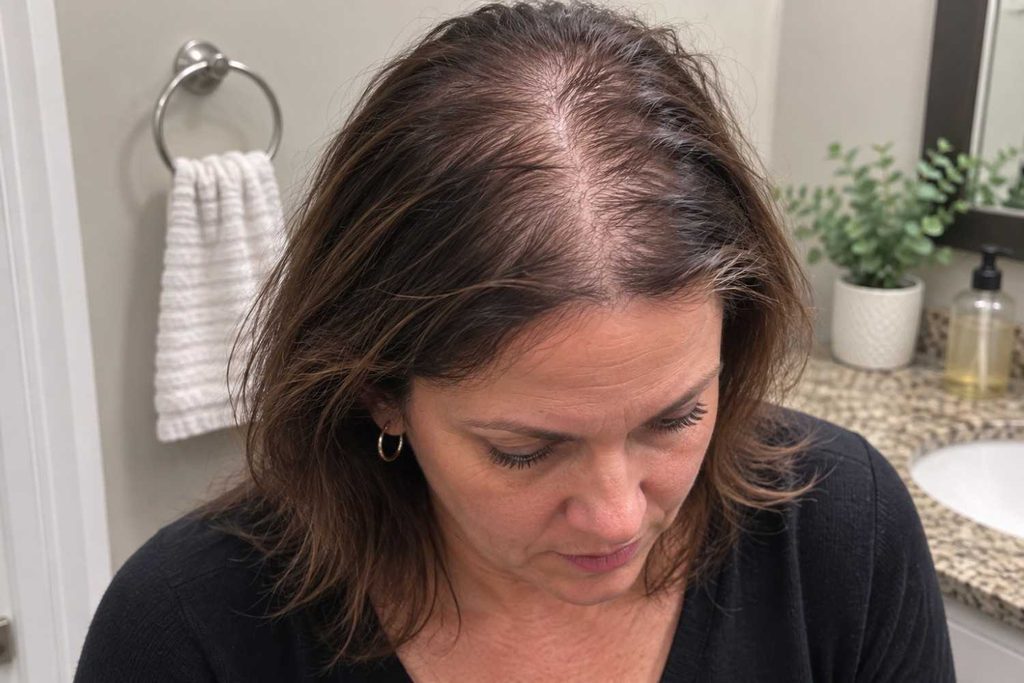
The doctor looks at where the hair is thin. The doctor also checks hair density and the width of the hair part. These signs can show how much hair loss has occurred.
Blood Tests
The doctor may order blood tests when needed. These tests can check for low iron, thyroid problems, or other health issues that may affect hair growth.
Choosing the Next Step
A clear diagnosis helps the doctor choose the right care. It also shows whether a permanent solution for thinning hair may suit the patient’s needs and type of hair loss.
What Thinning Hair Treatments Are Available for Women?
Topical and Oral Treatments
Doctors may suggest medicine for the scalp or medicine taken by mouth. These medicines may slow hair loss or help some hair grow. Many people must keep using them to maintain the results. Medicine is not always a permanent solution for thinning hair.
Platelet-Rich Plasma Therapy
PRP uses parts of the patient’s own blood. A doctor draws a small blood sample and separates the platelets. The doctor then places them into the scalp to support weak hair roots. PRP is one option used in female hair restoration.
Low-Level Laser Therapy
This treatment uses low-power light on the scalp. The light may support weak hair roots and help hair grow. Patients often need several sessions because the change can take time. More sessions may help maintain the results.
Scalp Micropigmentation
Scalp micropigmentation adds tiny dots of color to the scalp. The dots make the hair and scalp look closer in color. This can make thin spots less clear, but it does not grow new hair. The color may fade over time.
Supportive Hair and Scalp Care
Gentle hair care can help protect weak hair. Loose styles reduce pulling, while a balanced diet gives the body key nutrients. A doctor can also treat known health issues that affect hair growth. These steps can support a full care plan.
What Makes a Thinning Hair Solution Long Lasting?
Cause of Hair Loss
The cause can change how long the result lasts. Stress may need one care plan, while genes may need another. A doctor must find the cause before choosing a permanent solution for thinning hair.
Follicle Health
Follicles are the small roots that grow hair. Healthy follicles may respond better to care. Weak or damaged follicles may not grow hair as well.
Age and Hormones
Age can change how hair grows. Menopause and other hormone shifts may cause more thinning, so the care plan may change over time.
Regular Care
Some treatments need regular use or repeat visits. Following the care plan can help maintain the results. Stopping care may cause some benefits to fade.
Ongoing Thinning
Hair may keep thinning in areas that did not receive treatment. Regular scalp checks can help track these changes and guide future care.
Scalp Health
A healthy scalp can support hair growth. Scars, skin problems, or past damage may affect the final result. A doctor should check these issues first.
Clear Goals
Each woman may see a different result. Clear and realistic goals help her know what the treatment may achieve. They also reduce false hopes.
How Do You Choose the Right Treatment?
Check Your Hair Loss
A doctor should first check the type and stage of thinning. Early loss may need a different plan from advanced loss. The amount of fullness you want also guides the choice. Your medical history can show which options may be safe. A permanent solution for thinning hair may not suit every person.
Think About Recovery
Think about how much recovery time you can manage. Some options need little rest, while others need more care after the procedure. Ask about pain, swelling, scars, and other possible risks. Clear facts can help you make a safe choice.
Plan for Future Care
Some treatments need daily use, repeat visits, or touch-ups. Ask how often you will need care and what may happen if you stop. You should also learn when results may start and how long the full change may take.
Review Your Budget
Set a budget before you choose an option. The hair restoration cost may change based on the treatment, amount of thinning, and number of sessions. Ask what the price covers, so you can avoid surprise fees.
Compare Your Choices
Compare the benefits, limits, risks, care needs, and time for each option. A doctor can explain which plan fits your hair, health, goals, and budget. Take time to ask questions before you decide.
When Should Women Seek Professional Help?
Sudden or Fast Hair Loss
Women should seek help when hair falls out suddenly or becomes thin fast. Patchy loss can also point to a health or scalp issue. A check can find the cause before the loss gets worse.
Scalp Changes
Pain, itching, red skin, or flaky scales need a medical check. These signs may come from an infection, skin problem, or harm to the hair roots. A doctor can examine the scalp and suggest the next step.
Changes That Do Not Stop
A widening part or thinning that continues after home care may need expert help. No product works for every cause. A permanent solution for thinning hair can only be considered after a doctor finds the cause and checks the scalp.
Meet the Doctor
Niranjan Shintre, M.D., FACS performs each consultation and stays involved during the care process. He reviews the hair loss pattern, scalp health, medical history, and treatment goals before he explains suitable options.
Book an Evaluation
At Hair Transplant Boca, we offer surgical and non-surgical care for hair loss. Our team can help each woman learn why her hair is thinning and which options may fit her needs.
Ready to Find the Right Hair Solution?
Are you seeking a permanent solution for thinning hair that fits your needs? At Hair Transplant Boca, we can check your scalp, hair loss, and goals before explaining your options. Contact us to request a consultation and learn which care plan may suit you.
FAQs
Can thinning hair in women grow back?
Some hair may grow back when stress, poor diet, or a health issue causes the thinning. Genetic hair loss may need ongoing care. A doctor can find the cause and explain what results may be possible.
What treatment works best for thinning hair?
The right treatment depends on the cause, stage of loss, scalp health, and hair goals. A doctor may suggest medicine, PRP, laser care, scalp micropigmentation, FUE, or a mix of options.
How long does it take to see results?
The timeline depends on the treatment and how the body responds. Some changes may take several months to appear. A doctor can give a more personal timeline after checking the hair and scalp.
Do thinning hair treatments need ongoing care?
Some treatments need daily use, repeat visits, or future touch-ups. Other procedures may offer longer-lasting growth. Patients should ask about care needs before choosing an option.
When should women see a doctor for thinning hair?
Women should seek help for sudden shedding, fast thinning, bald patches, scalp pain, itching, or redness. A widening part or hair loss that continues after home care also needs a professional check.